Pichacay Landfill Gas Project, Ecuador
Capturing landfill emissions to generate renewable energy and improve regional air quality

Located near the city of Cuenca, the Pichacay Landfill Gas Project plays a vital role in Ecuador’s transition towards sustainable waste management and renewable energy generation. By capturing and converting methane emissions from municipal waste, the project reduces greenhouse gas emissions, produces clean electricity, and supports Cuenca’s ambition to be recognised as a “green city.”
Location: Cuenca, Ecuador
Project Type: Landfill Gas to Energy
This project contributes to multiple UN Sustainable Development Goals, delivering measurable environmental and social outcomes.
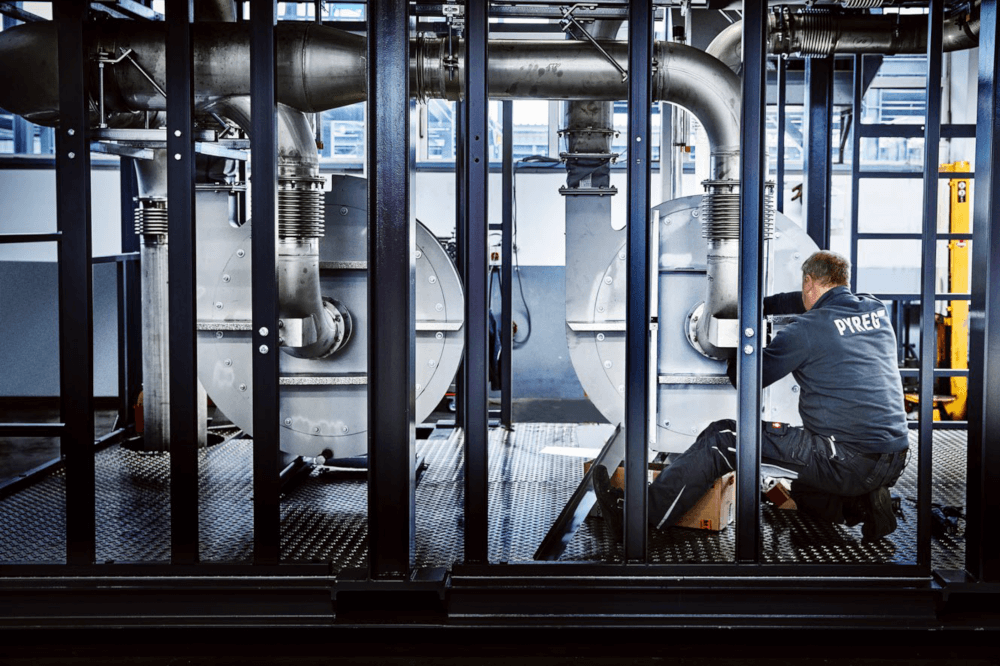
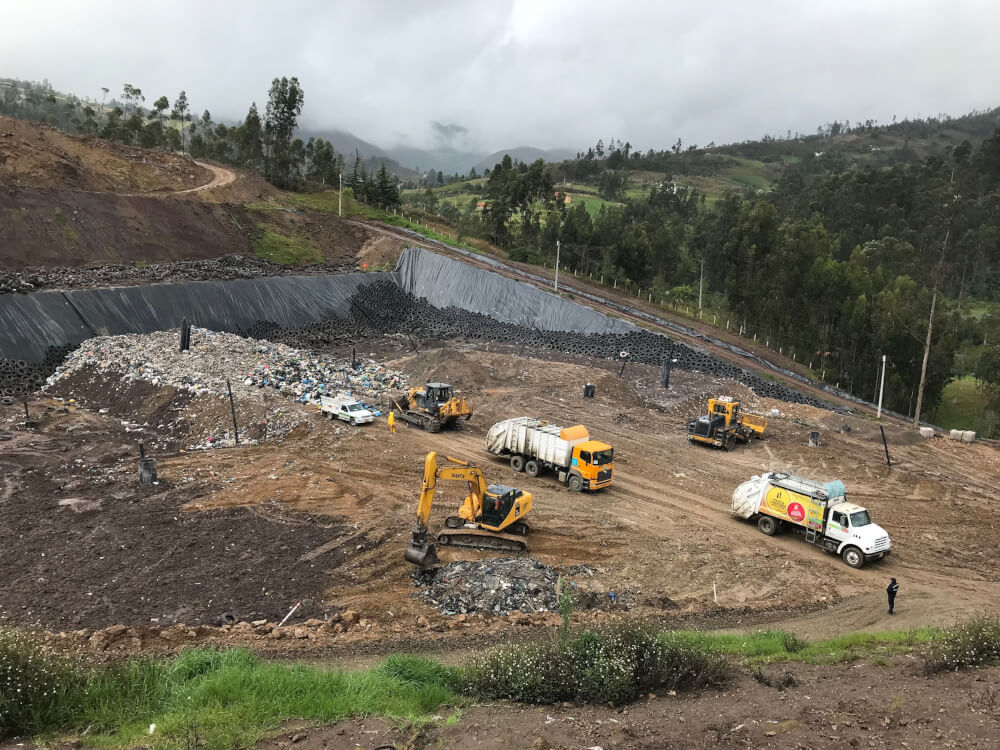
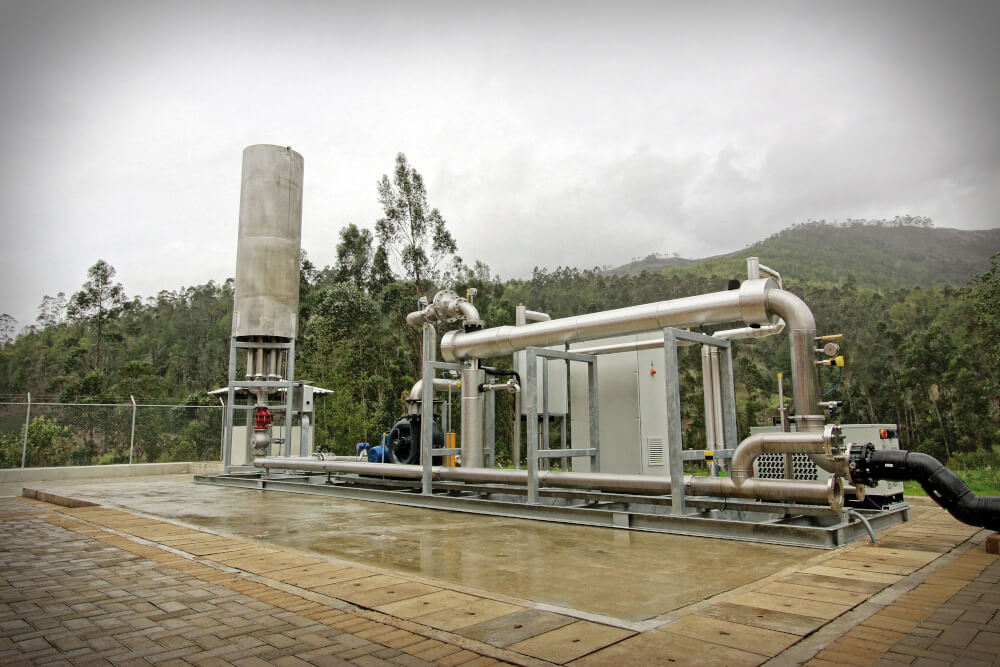
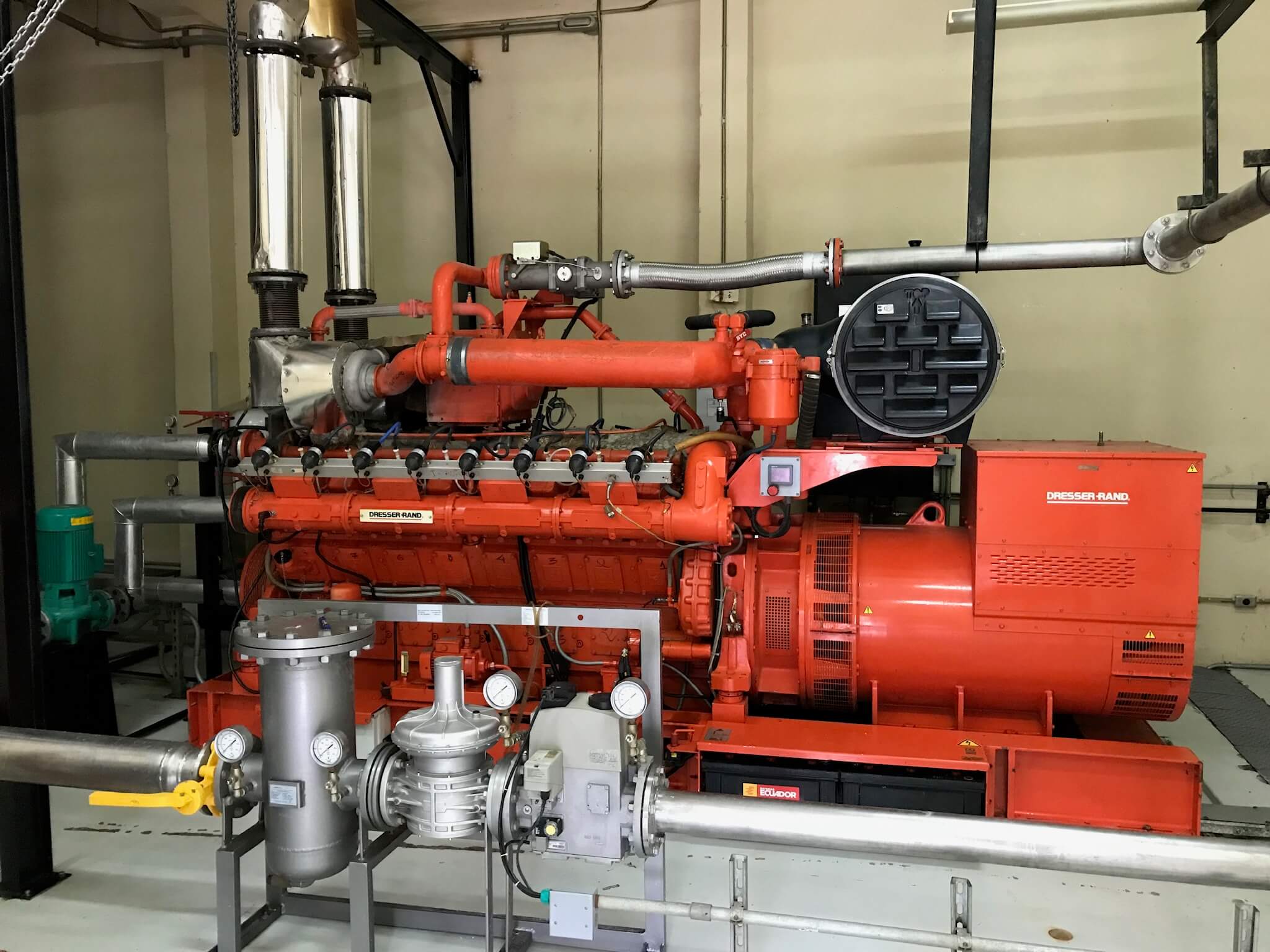
The project encompasses the installation of a comprehensive landfill gas (LFG) extraction and utilisation system at the Pichacay landfill site. The system includes 23 vertical extraction wells, interconnected by a network of horizontal pipes that collect methane-rich gas as waste decomposes. This gas is then channelled to on-site engines, where it is converted into renewable electricity and fed back into the national grid, powering local households across Cuenca.
Emissions reductions are achieved in two key ways: by preventing methane release – a greenhouse gas significantly more potent than CO₂ – and by producing renewable energy that displaces fossil fuel use. Together, these measures contribute meaningfully to Ecuador’s national climate goals while advancing sustainable urban development.
Anthesis partners with local and international organisations to invest in high-quality carbon reduction initiatives, including the Pichacay Landfill Gas Project. Through the purchase and retirement of verified carbon credits, Anthesis helps make such projects financially viable in regions where emission-reduction infrastructure is most needed.
This initiative is certified under the Verified Carbon Standard (VCS), ensuring transparent monitoring, verification, and reporting of emissions reductions. Anthesis is also a proud member of the International Carbon Reduction and Offset Alliance (ICROA), upholding global best practice in carbon management and offsetting.
All Anthesis-supported carbon removal projects undergo independent verification to confirm permanent carbon storage and measurable environmental benefits. Projects must demonstrate alignment with UN SDGs 12, 13, and 15, promote soil and ecosystem health, and deliver robust climate and nature outcomes.
Through rigorous auditing, monitoring, and adherence to international standards, Anthesis ensures all projects provide credible, lasting impact for both climate and local communities.
Get expert guidance on selecting and purchasing credible carbon credits from Anthesis.
Discover our carbon project development expertise and explore our existing carbon projects